
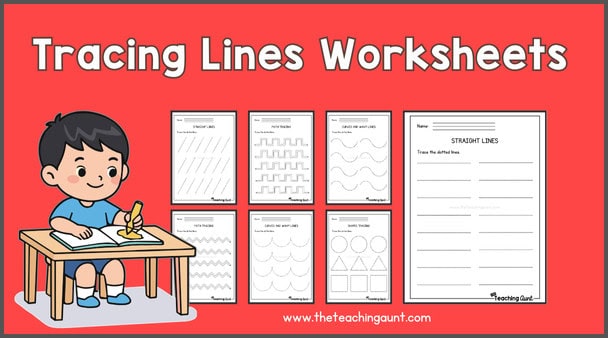
These free tracing worksheets for preschool are designed to introduce young children to their very first tracing activities in a fun, gentle, and pressure-free way. Perfect for toddlers and preschoolers, this printable set focuses on simple lines and paths that help build early fine motor skills without overwhelming young learners.
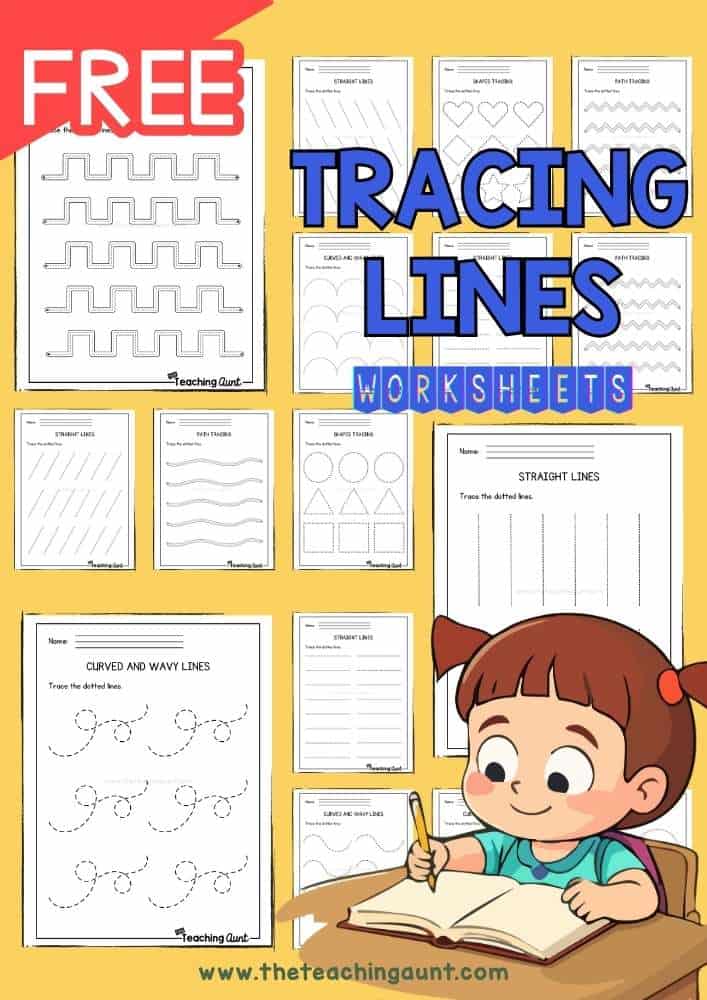
What Age Are These Tracing Worksheets For?
These tracing worksheets are best suited for:
- Toddlers (ages 2-3) who are just beginning to explore crayons, pencils, or markers
- Preschoolers (ages 3-4) who are ready for simple, guided tracing practice
The activities are intentionally kept simple to support children who are new to tracing and still developing hand strength and control.
What Skills Do Preschool Tracing Worksheets Develop?
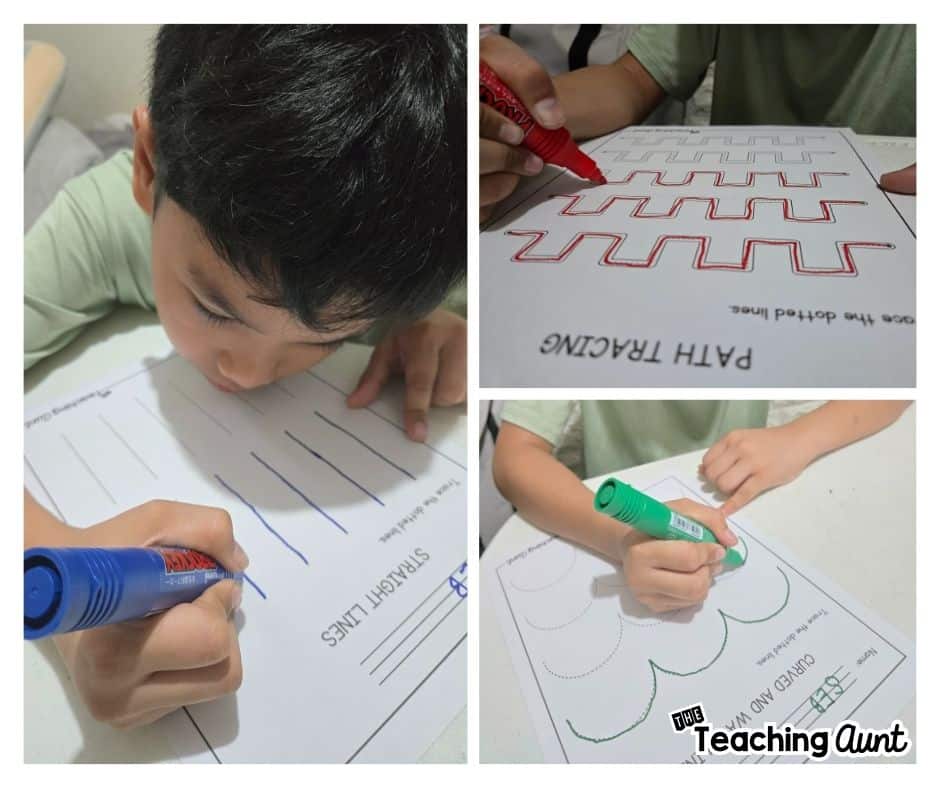
Tracing may look simple, but it supports several important learning skills.
- Fine Motor Strength
Tracing lines help strengthen the small muscles in a child’s hands and fingers, which are essential for everyday tasks like coloring, using utensils, and turning pages.
- Hand Eye Coordination
Following a line with their eyes while guiding their hand helps children coordinate visual input with physical movement.
- Early Focus and Control
Short, simple tracing activities help young children practice sitting, focusing briefly, and completing a task- without frustration.
Simple Tracing Activities Included In This Printable Set
These simple tracing worksheets are designed specifically for early learners an first-time tracers.
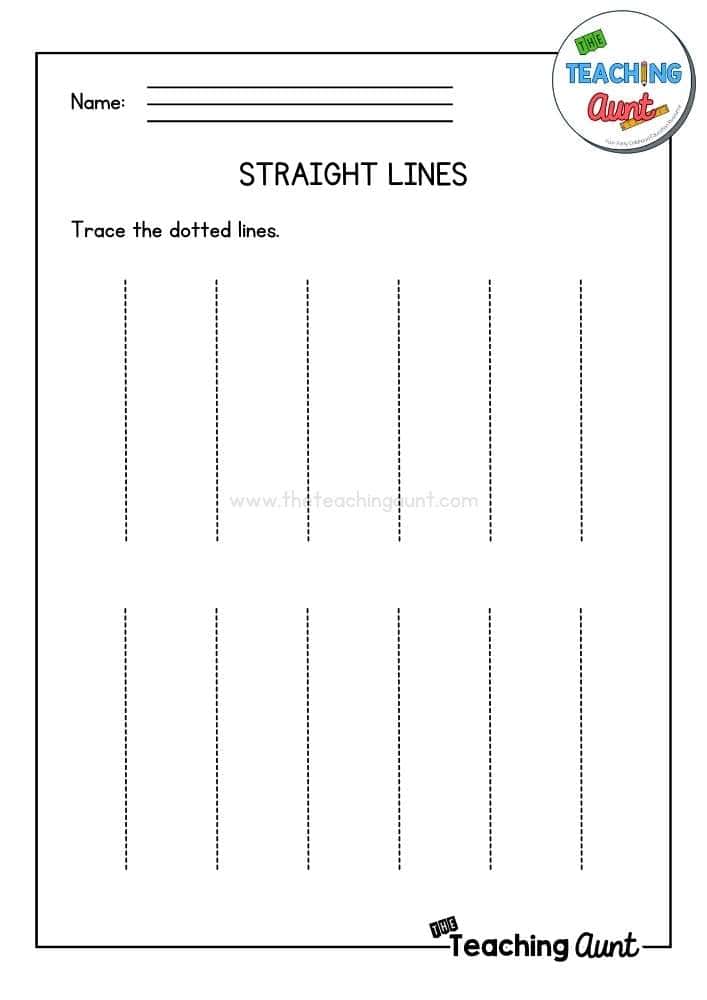
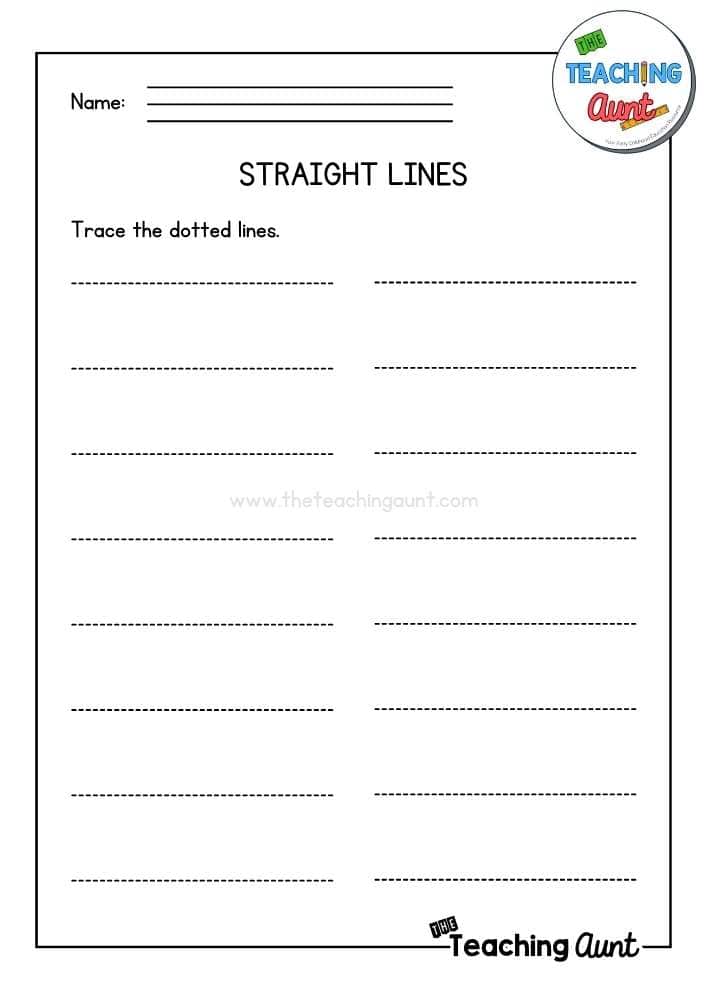
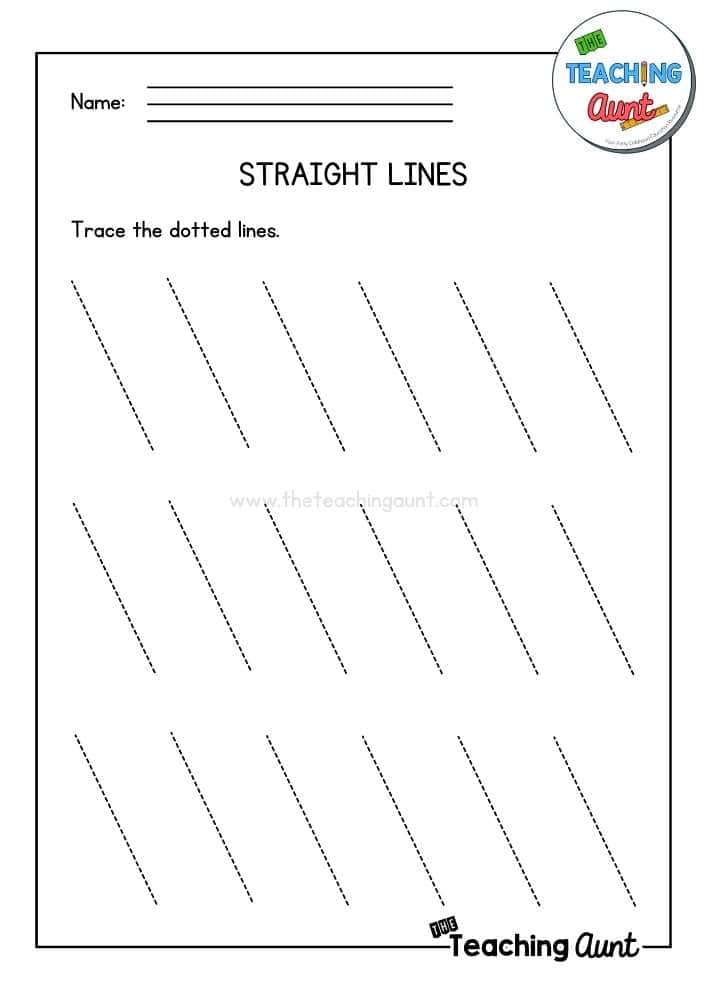
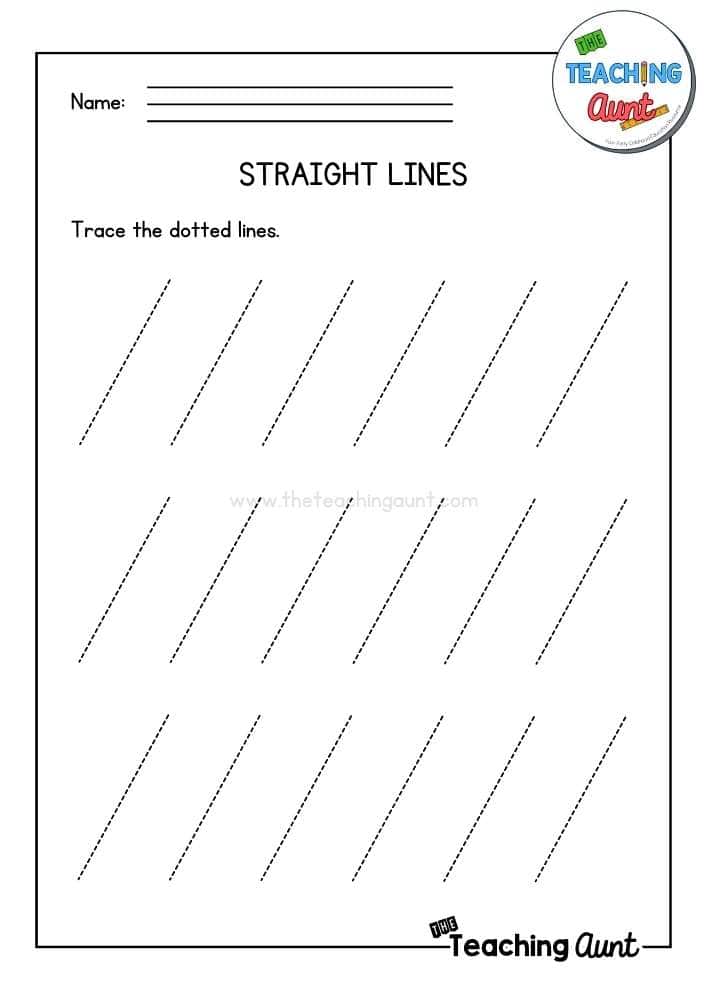
Straight Line Tracing Worksheets
Straight line tracing helps children practice controlled movements using horizontal and vertical strokes.
These worksheets support:
- Early pencil control
- Directional awareness
- Writing readiness for letters like L, E, and T
Perfect for children who are just beginning pre-writing activities.
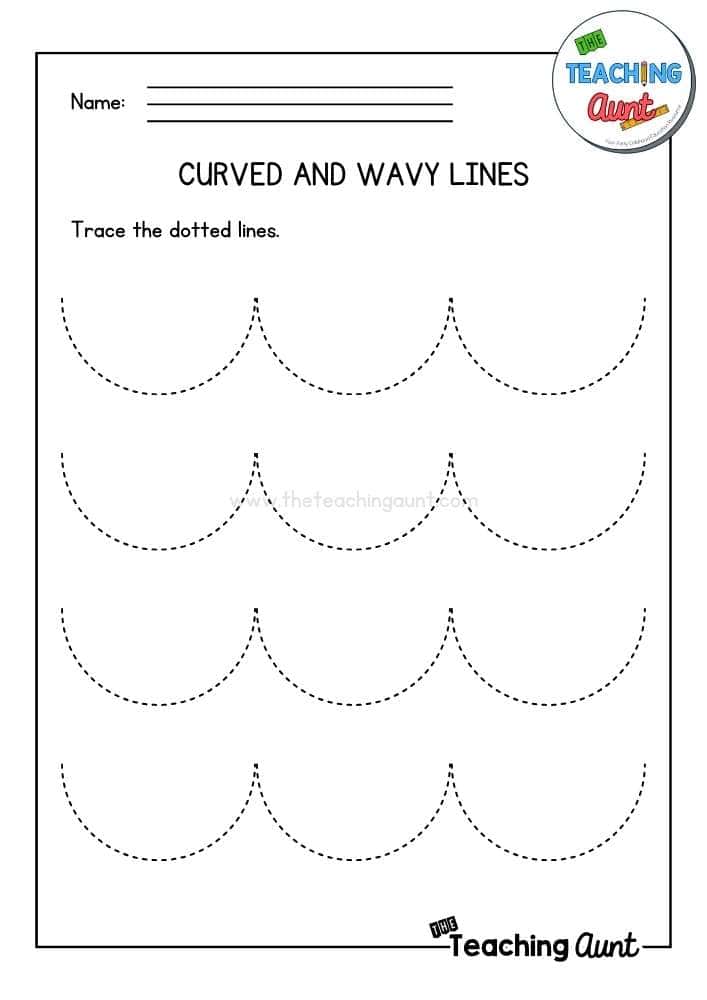
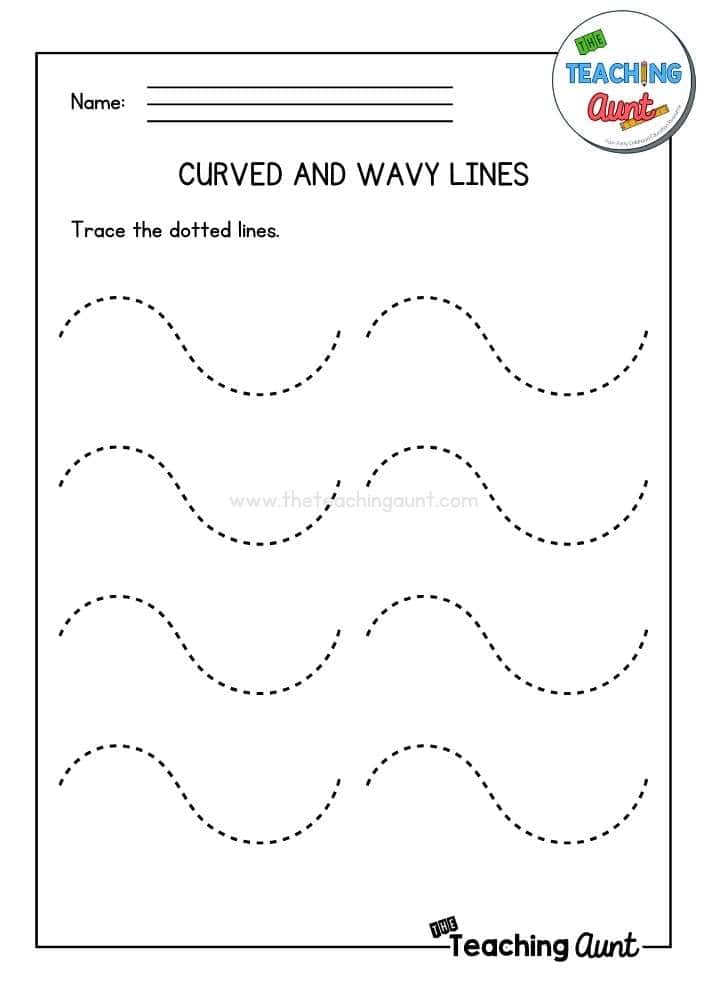
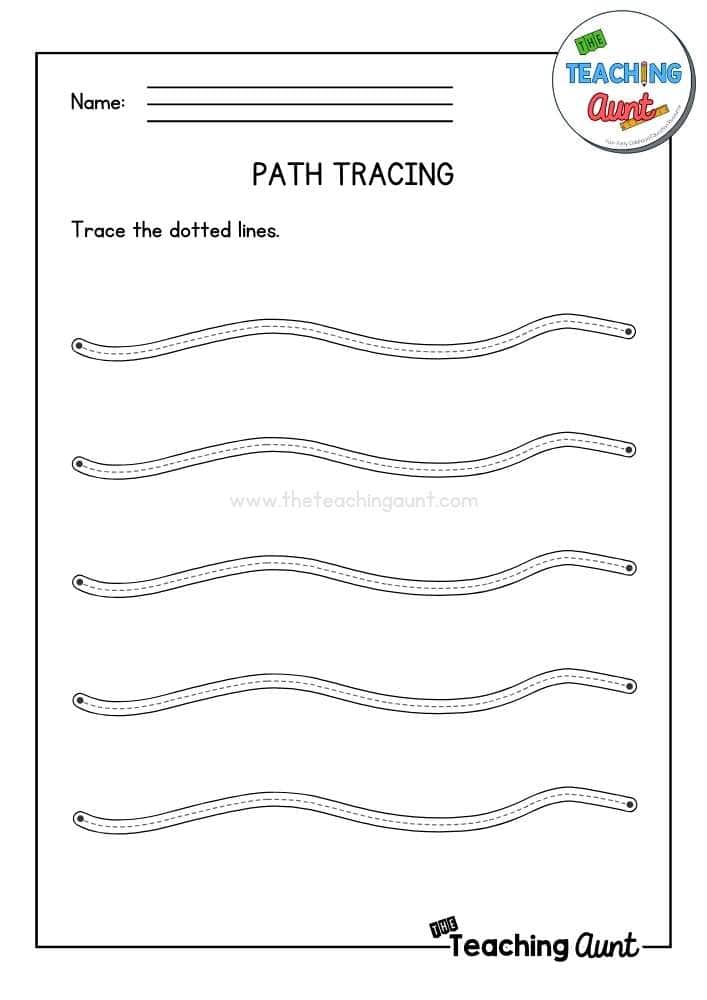
Curved and Wavy Line Tracing
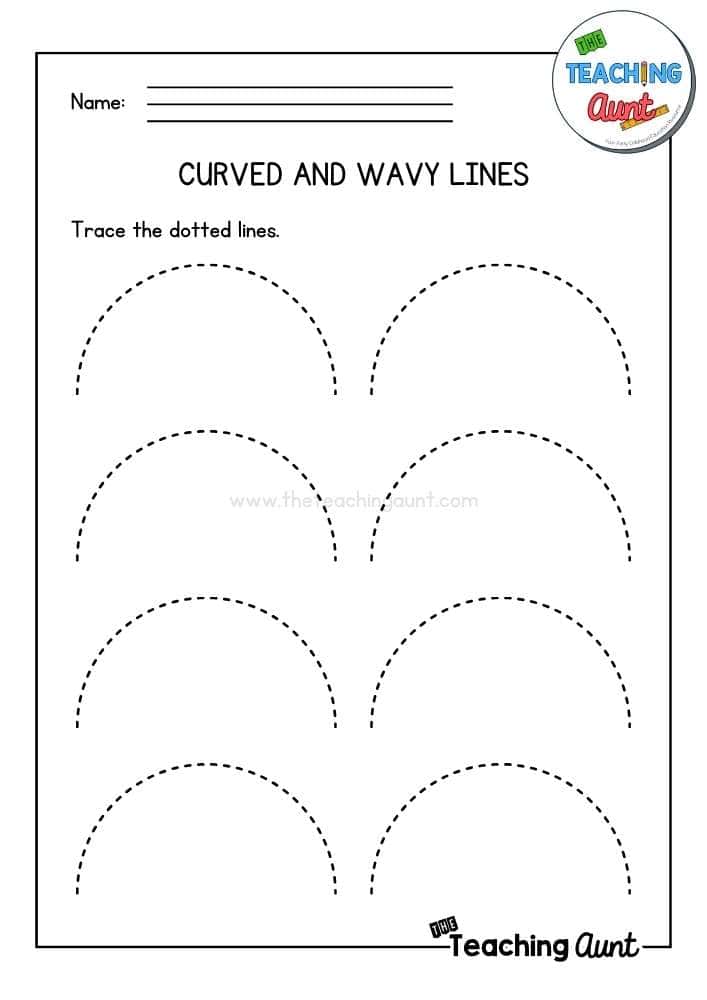
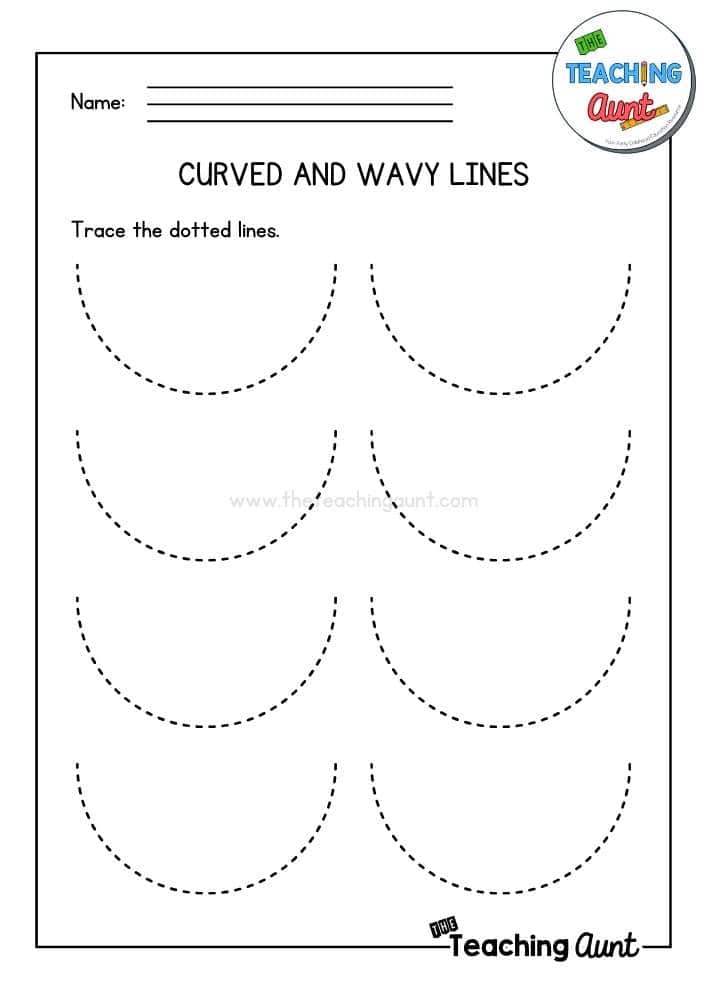
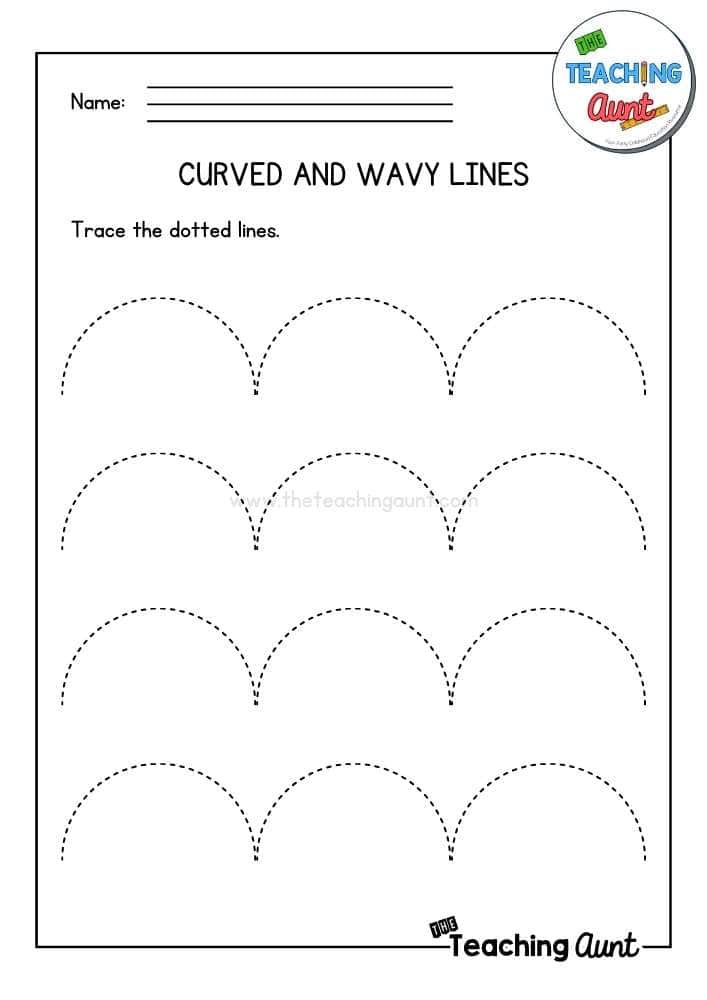
Curved and wavy lines introduce more fluid movements and help children practice rounded strokes.
These activities support:
- Wrist flexibility
- Preparation for curved letters like C, O, and S
- Smooth pencil movement
Great for preschool fine motor practice and center activities.
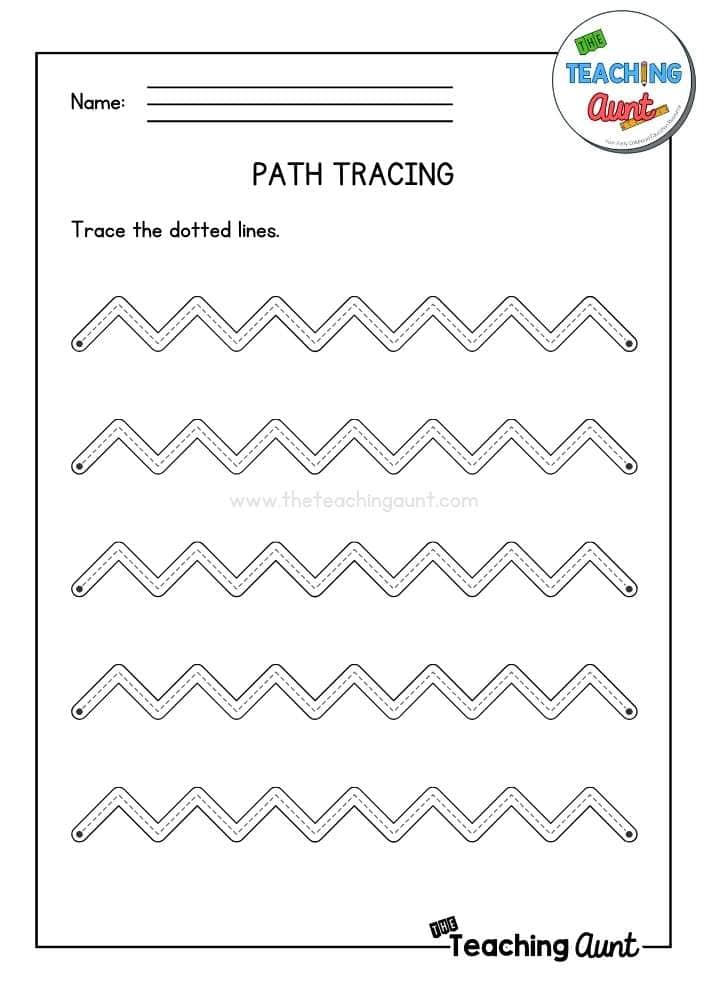
Diagonal and Zigzag Lines
Diagonal and zigzag lines add a mild challenge and encourage controlled changes in direction.
Children practice:
- Crossing midline
- Hand-eye coordination
- More advanced line control
These are especially helpful for older preschoolers and kindergarten readiness.
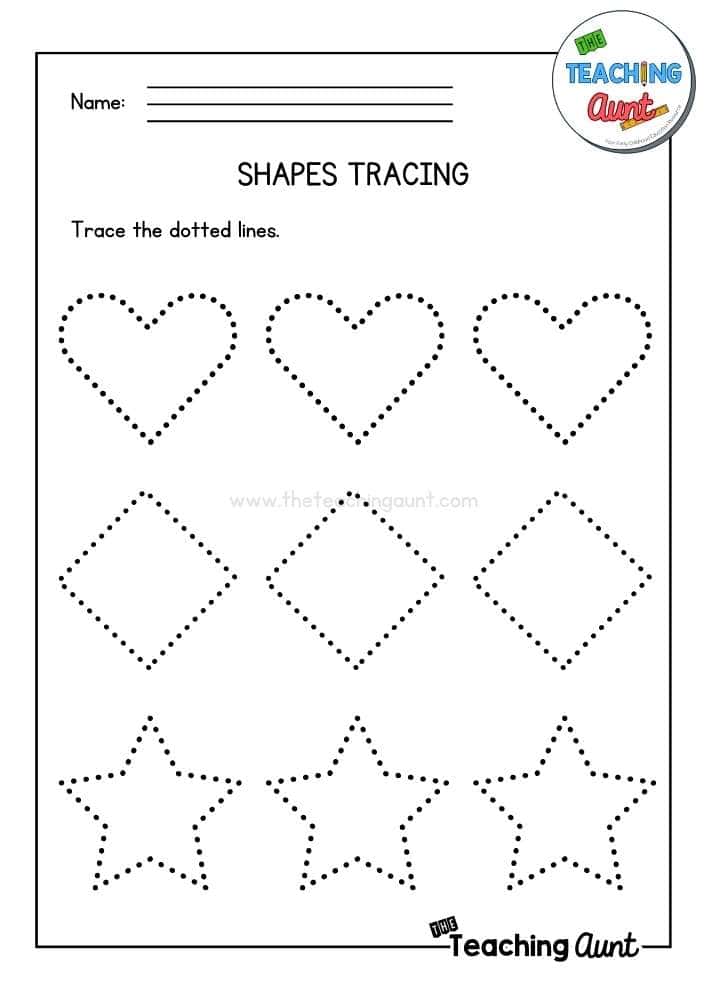
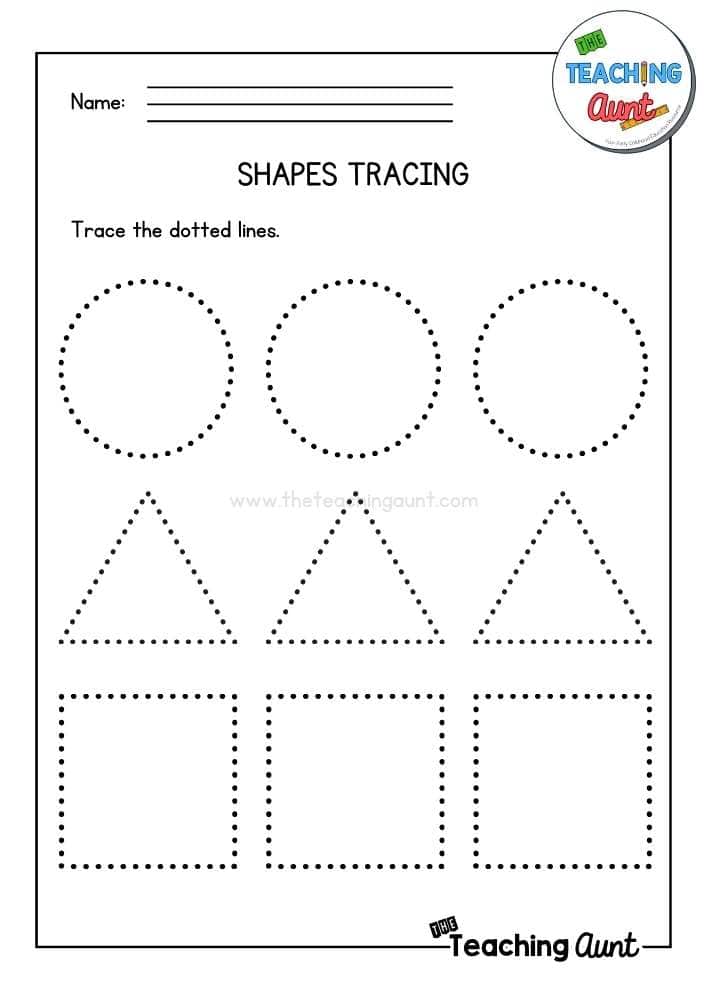
Shapes and Path Tracing Lines
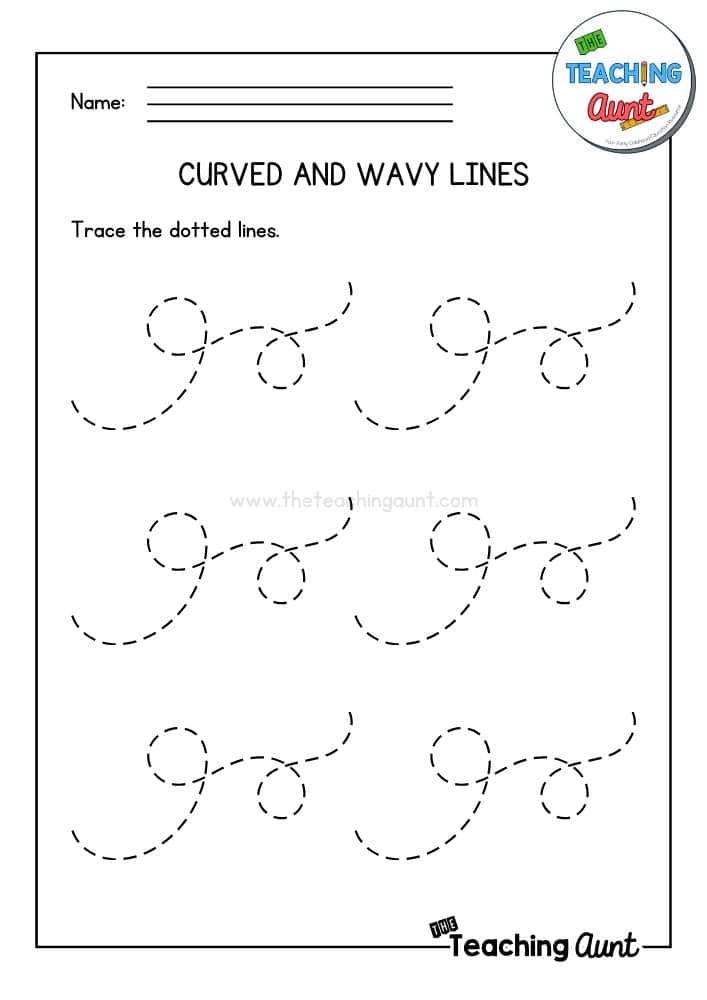
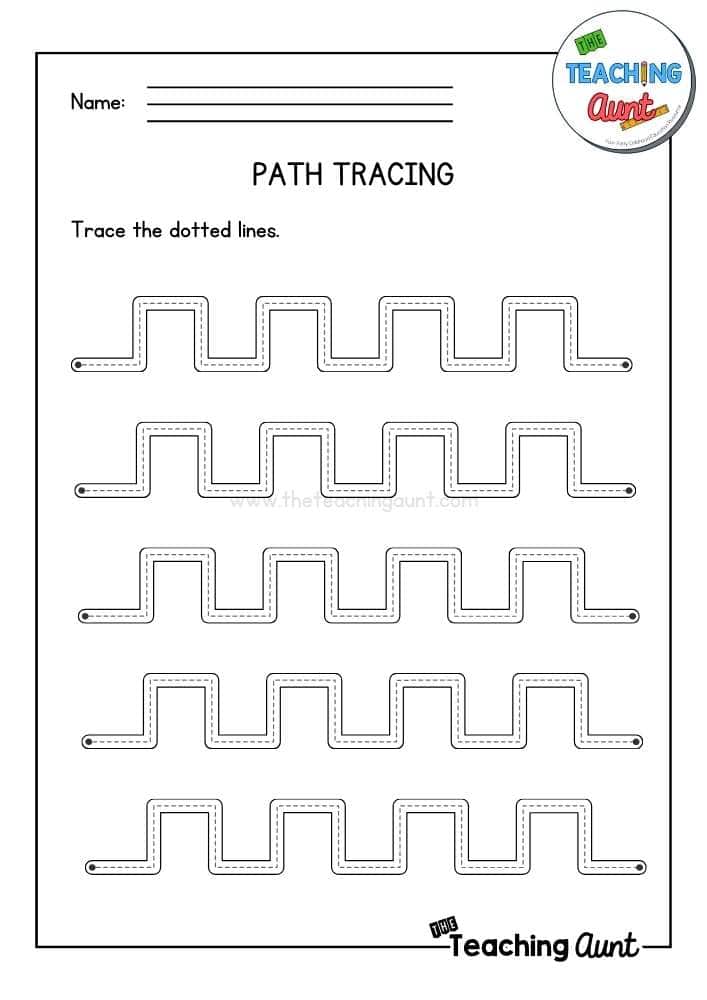
Pattern tracing helps children follow paths, loops, and simple shapes.
This type of tracing supports:
- Visual tracking
- Focus and concentration
- Problem-solving through movement
Ideal for independent work or quiet learning time.
Who Can Use These Tracing Worksheets?
These tracing lines worksheets are flexible and can be used with a wide range of learners.
Preschool and Pre-K Learners
Perfect for children ages 3–5 who are developing early writing skills and fine motor control.
Kindergarten Writing Readiness
Helpful as a warm-up activity before handwriting lessons or as review practice for struggling writers.
Homeschool and Classroom Use
Easy to integrate into:
- Morning work
- Learning centers
- Small group instruction
- Independent practice folders
How To Introduce Tracing to Toddlers and Preschoolers
Introducing tracing the right way makes a big difference in how children respond to it.
Before starting with pencil-and-paper tracing, you can try:
- Drawing lines in sand or rice
- Tracing paths with a finger
- Using stickers or toy cars to follow lines
These activities help children understand the concept of tracing without pressure.
Tips for Keeping Tracing Stress-Free
- Keep sessions short and positive
- Let children stop when they lose interest
- Focus on effort, not perfection
These tracing activities for toddlers should always feel like play, not work.
How Long Should Children Practice Tracing Each Day?
For toddlers and preschoolers, 5-10 minutes is enough.
Short, consistent practice is far more effective than long sessions. One or two tracing pages per day is plenty to support fine motor development without causing fatigue or frustration.
Download Free Tracing Worksheets for Preschool (PDF)
You can download this printable set of preschool tracing worksheets PDF and use them at home or in the classroom.
- Simple and age-appropriate
- Designed for first tracing experiences
- Easy to print and reuse

You may also download our previous set of tracing lines printables below.
What Comes After Tracing Practice?
Once children are comfortable tracing simple lines, you can introduce writing line worksheets to continue building pre-writing skills.
This natural progression helps children move from basic tracing to more structured line practice at their own pace.
More Free Tracing Worksheets


Frequently Asked Questions (FAQ)
Are these tracing worksheets suitable for toddlers?
Yes. these worksheets are designed with toddlers in mind, using simple lines and easy paths that support early fine motor development.
Do children need to finish the worksheet?
No. Children can stop at anytime. Completing the page is not the goal- exploration and practice are what matter most.
What tools should children use for tracing?
Crayons, thick pencils, or washable markers all work well. Choose tools that are comfortable for small hands.
How often should tracing worksheets be used?
You can use them a few times per week or daily for short sessions. Consistency matters more than duration.
Can these worksheets be used in the classroom?
Yes. These tracing worksheets are suitable for preschool classrooms, learning centers, and small-group activities.
Gentle Encouragement
Pre-writing skills develop over time, and every child progresses at their own pace. Tracing lines worksheets provide a simple, supportive way to help children gain confidence and control before moving on to letters and numbers.
If you’re looking for more early learning printables, explore our growing collection of worksheets designed to support young learners step by step.
Or just visit my Free Printable Page for more!

P.S.
Do you want PREMIUM FREEBIES? Please subscribe to my blog. I promise it will be worth it!
Oh! And please like and follow us on Facebook and Pinterest! <3
Happy learning,

Last Updated: January 15th, 2026



5 Responses
Thank you for this free and educational outputs. These activities will help my son in learning to write. Hoping for more. Thank you again and God bless.
Happy to serve. 🙂
I just downloaded traceable sheets for my 3 year old kid and they are very helpful and sorted. I’m loving it and my boy is super excited 😊
I’m glad you liked the worksheets. Thank you for reaching out. I hope your child continues to have fun learning. 🙂
I just downloaded a few of your free traceable sets and I’m super excited to try them out with my 5 year old! Especially while we are stuck at home due to COVID-19 hopefully this will help keep us productive and help prep us for Kindergarten in the fall! 🙂