
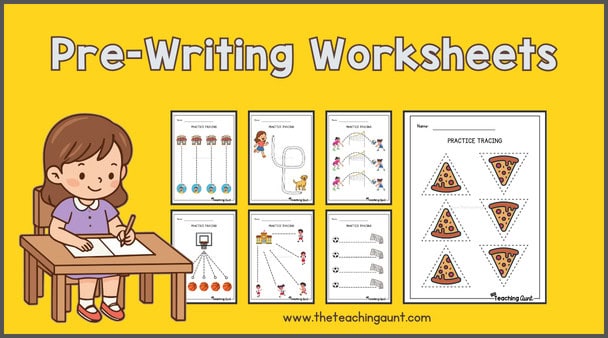
Introducing tracing to very young children should feel playful, natural and completely pressure-free- not a test of handwriting skills. these free tracing worksheets for toddlers and preschool beginners are intentionally designed for the earliest stage of fine motor development supporting little hands that are just beginning to explore crayons, markers, and simple pre-writing movements.
Created for parents, teachers, and caregivers, this printable set focuses on slow, simple, confidence-building lines that help young learners develop early control- long before writing letters or shapes.

Why Tracing Matters in Early Childhood (Before Pre-Writing Begins)
In the toddler and early preschool years, children are building the muscle strength, motor coordination, and visual attention needed for future writing. Tracing activities support:
- foundational hand muscles
- hand-eye coordination
- basic movement patterns
- early focus and task completion
At this stage, tracing is not handwriting practice. It’s a gentle introduction to controlled movements through play.
The Best Ages to Start Tracing (Based on Developmental Milestones)
Young children develop at different speeds, but most benefit from beginner tracing around:
Age 2-3 (Toddlers)
- Scribbling turns into more intentional mark-making
- Children enjoy imitating lines but may not follow them precisely
- Worksheets should be extremely simple and low-pressure
Age 3-4 (Preschool Beginners)
- Improved control
- Can follow short paths with guidance
- Move from straight lines to soft curves
These worksheets are designed for both age groups, with emphasis on readiness over perfection.
What Makes These Tracing Worksheets Toddler-Friendly and Safe for Beginners
These worksheets were created specifically for first-time tracers, making them ideal for toddlers and young preschool students who are still building basic hand control.
They are:
- uncluttered
- slow-paced
- simple and visually clear
- designed with minimal distractions
- perfect for first attempts at staying “near” the line
Your child doesn’t need prior tracing experience- just curiosity.
Early Motor Skills Supported by Beginner Tracing
Even simple lines help strengthen essential skills:
Fine Motor Strength
Supports the small muscles used for grasping crayons, buttoning clothes, and using utensils.
Hand-Eye Coordination
Encourages following a path visually while guiding the hand.
Visual Tracking
Helps children follow movement from left to right- important for future reading.
Early Focus & Confidence
Completing a path builds a sense of mastery without pressure.
What’s Included in This Tracing Printable Set
This beginner-friendly set includes a variety of simple, developmentally appropriate lines:
Straight Started Lines
Perfect for toddlers learning to move from one point to another.


Gentle Curves and Wavy Lines
Supports smooth, flowing movements without sharp turns. Introduces rhythms and slow hand movement control.

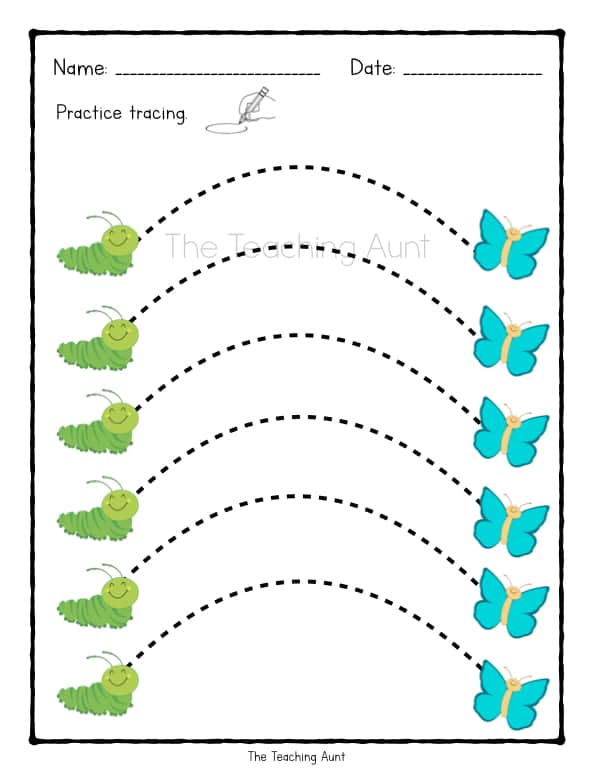
Simple Paths
Wide, slow paths help children learn how to follow a route visually and physically.


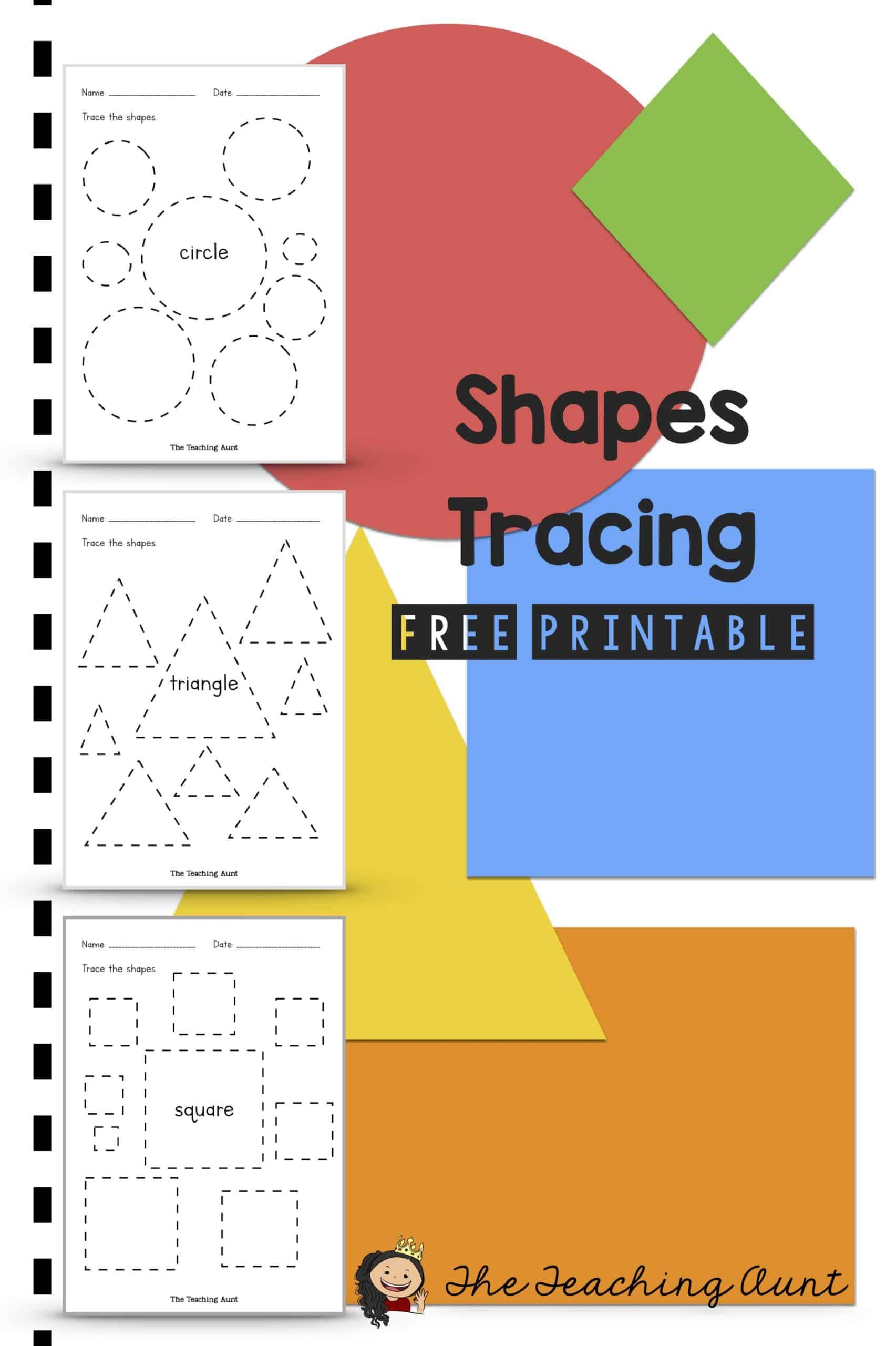
Basic Shapes
Introduces circles, arcs, and simple outlines for early visual-motor exploration.


How To Introduce Tracing the Developmentally Appropriate Way
1. Start With Hands-On Pre-Tracing Activities
Before worksheets, try:
- Coloring with thick crayons
- Playdough rolling and pinching
- Finger tracing in sand, salt, or flour
- Tearing paper
These activities strengthen the muscles needed for tracing.

2. Keep It Playful, Not Perfect
Say things like:
- “Let’s try to stay close to the line.”
- “Look how your hand is moving smoothly!”
- “Wow, you followed the road!”
Avoid correcting too much—let them explore.
3. Use Short, Happy Sessions
For toddlers and young preschoolers, 5–10 minutes is plenty.
Stop before frustration appears.
4. Model Slowly
Show children how to move the crayon gently and slowly along the path.
How Long Should Toddlers and Preschoolers Practice Tracing?
Short, consistent practice works best:
- 5-10 minutes per day
- Once or twice a day
- Always during a calm moment
Good times for tracing include:
- Warm-up activities
- Quiet corners
- Independent work time
- Morning centers in the classroom
Download Your Free Beginner Tracing Worksheets (PDF)
Print the pages and let children trace freely, explore movements, and build confidence- one gentle stroke a t a time.
These sheets are perfect for:
- toddler fine motor play
- preschool beginner tracing
- homeschool activities
- early childhood centers
- occupational therapy support
- sensory-friendly early writing practice

You may also download our previous set of tracing lines printables below.
What Comes After This Stage? (Next Steps Before Line-Writing Worksheets)
Once your child shows:
- interest
- improved control
- ability to follow simple paths
… they may be ready for writing line worksheets or more structured pre-writing lines. But there’s no rush. Every child develops at their own pace.
More Free Tracing Worksheets


Frequently Asked Questions (Parent-Friendly)
1. What age should my child start tracing?
Most children can begin simple tracing activities around ages 2–3, especially if they enjoy using crayons or markers. Preschoolers ages 3–4 typically show more control and are ready for slightly more complex lines and paths.
2. Does my child need to know how to hold a pencil before tracing?
No. These worksheets are designed for beginners. Children can trace using crayons, markers, or even finger-pointing at first. Pencil grip improves gradually with practice and fine motor play.
3. How long should tracing activities last?
Short sessions work best. Aim for 5–10 minutes once or twice a day. Young learners benefit from frequent, gentle exposure rather than long, structured lessons.
4. Do tracing worksheets help with handwriting later on?
Absolutely. Tracing helps children develop:
- Hand strength
- Control and coordination
- Understanding of movement patterns
These skills prepare children for writing letters, numbers, and shapes later on.
5. How can I make tracing fun for my child?
Try adding variety:
- Use colorful markers or scented crayons
- Encourage tracing slowly like “driving on a road”
- Allow children to choose which page to do
- Add stamps or stickers as fun rewards
The more playful the approach, the more engaged children will be.
6. What should I do if my child scribbles instead of tracing the lines?
Scribbling is normal—especially for toddlers. You can gently model tracing and celebrate small attempts. Over time, children naturally develop better control.
7. How do I know when my child is ready for more advanced tracing?
Children are ready to move on when they can:
- Follow simple paths
- Stay mostly on the line
- Show interest and confidence
At this stage, consider introducing writing line worksheets to continue skill development.
[Link to Tracing Lines Worksheets]
8. Can these worksheets be used in classroom centers?
Yes! They are great for:
- Fine motor centers
- Morning work
- Independent learning stations
- Small group rotations
Laminate the sheets or place them in dry-erase pockets for repeated use.
9. Do I need any special materials to use these worksheets?
Not at all. All you need is:
- A printer
- Crayons, markers, or pencils
Optional: dry-erase markers (if laminating)
10. Are the worksheets suitable for children with delayed fine motor skills?
Yes. The simple, uncluttered designs make them especially supportive for children who need extra practice or sensory-friendly activities. Always adapt pacing to your child’s comfort.
Gentle Encouragement
Pre-writing readiness grows little by little, and every child learns at their own pace. Tracing lines worksheets offer an easy, reassuring way for young learners to build confidence, coordination, and control before they begin forming letters and numbers.
If you’d like more early learning printables, feel free to browse our expanding collection of worksheets—each one designed to guide children’s skills one simple step at a time.
Or just visit my Free Printable Page for more!

P.S.
Do you want PREMIUM FREEBIES? Please subscribe to my blog. I promise it will be worth it!
Oh! And please like and follow us on Facebook and Pinterest! <3
Happy learning,

Last Updated: January 24th, 2026



12 Responses
Hello, memsh! We are going to use these pre-writing worksheets for our daughter since she’s now interested to do activities like these. Thank you for your hard work. Otsukare sama!
Hello, memsh! 🥰 Thank you so much for your sweet message! I’m so happy to hear that your daughter is enjoying pre-writing activities. I hope she has lots of fun with the worksheets and continues to enjoy learning and practicing! ❤️
And thank you for the “Otsukare sama”! That made me smile. 😊
Hi from Tennessee,
I can’t wait to try these tracing sheets with my nephew. not only will they be fun, but great bonding time.
Thank you. Have fun with your nephew! 🙂
Thank you so much fro creating these my son has Autism and happy to have found ur website thank you!
I’m glad to be of help. Happy to serve! 🙂
Thank you for creating these & making them easy to find & print!
Glad you found the website easy to use. 🙂 Happy learning!
Hi Teacher Nessy,
I love to use your worksheets for my kids. We enjoy using them. Truly appreciate your generosity to share. Wish you luck all the way.
Warm regards,
Deepti
(KG teacher)
Thank you so much. It warms my heart to hear that I’m able to help out. Have a great day!
Hi Teacher nessy. Im a first timer mom with a 4 yrs old little boy. He is actually excited to go to a pre school this year but unfortubately because of the pandemic it will not going happen anytime soon, thats why i’ve decided to become a teacher to him though i dont know how to do it. But when i saw ur online learning at home i was really happy because i know although im not really good in teaching i know in this way i can still help my son. Thats why im so happy to know this site. Thank you very much
Thank you so much for sharing your worksheets. It really helps me a lot teaching to my child. I hope more to come. hehehehe God Bless you..